

Crypto has gone through many phases – DeFi summer, NFTs, memecoins, and AI tokens. But in 2026, one trend is standing out for its real-world impact: Real-World Asset (RWA) tokens.
Instead of focusing purely on digital assets, RWA projects aim to bring tangible value – like real estate, bonds, and commodities – onto the blockchain. The result is a shift from speculation to utility, and many believe this could be one of the most important evolutions in crypto so far.
What Are RWA Tokens?
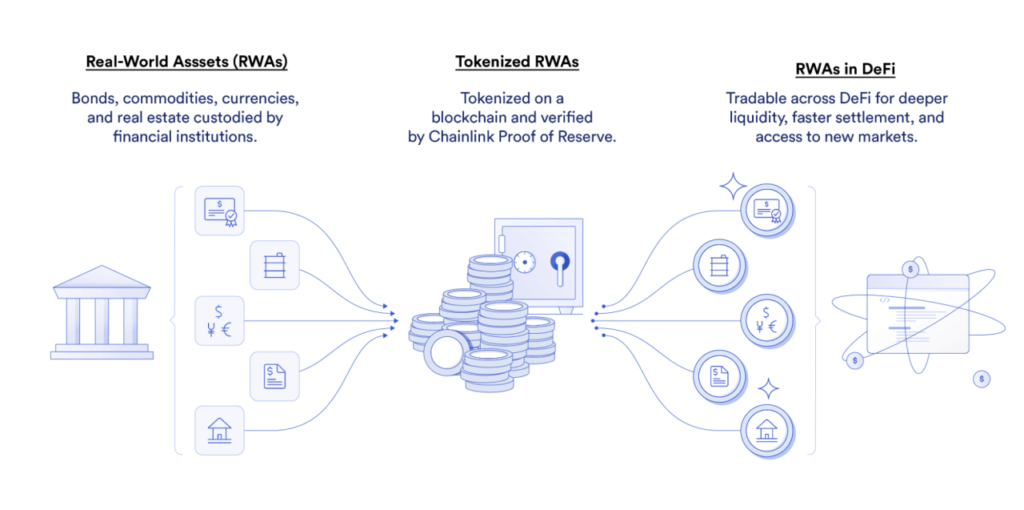
RWA tokens represent ownership or exposure to real-world assets through blockchain technology. These assets can include:
- Real estate properties
- Government or corporate bonds
- Commodities like gold or oil
- Private credit and loans
By tokenizing these assets, platforms make them easier to trade, fractionalize, and access globally.
For example, instead of buying an entire property, an investor can purchase a fraction of it through tokens – lowering the barrier to entry significantly.
Why RWAs Are Trending in 2026
The rise of RWA tokens didn’t happen overnight. Several factors have pushed this trend into the spotlight this year.
Institutional Adoption Is Growing
Large financial institutions have started experimenting with tokenized assets, especially bonds and treasury products. This brings credibility to the space and attracts more conservative investors.
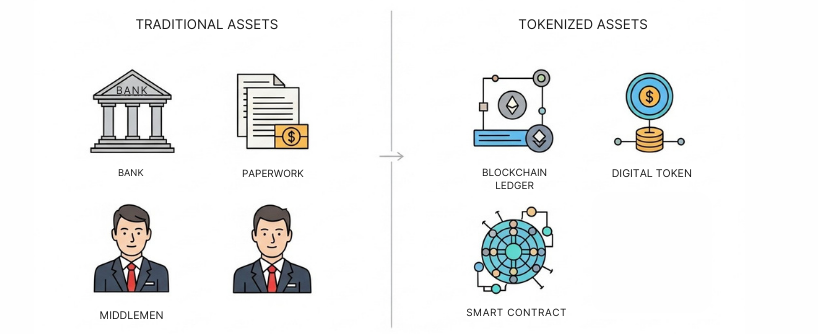
Tokenization allows faster settlement, lower costs, and greater transparency – features traditional finance struggles to offer.
Stable Yield in a Volatile Market
Unlike many crypto assets, RWAs often generate predictable returns. For example, tokenized treasury bonds or credit products can offer stable yields tied to real-world interest rates.
In a market still known for volatility, this stability is highly attractive.
Bridging Crypto and Traditional Finance
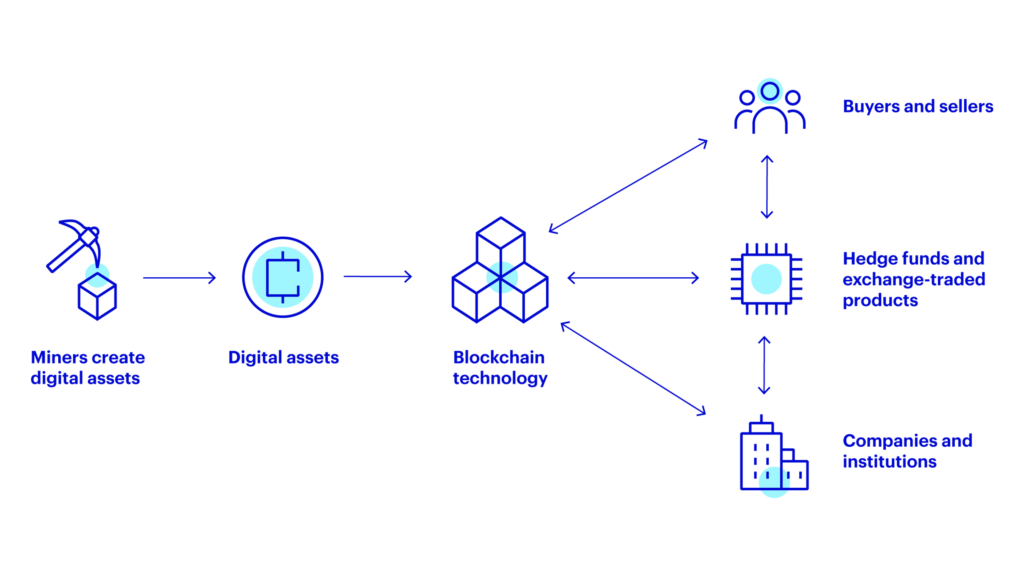
RWAs act as a bridge between two worlds. They allow crypto-native users to access traditional financial instruments, while also giving traditional investors a reason to explore blockchain technology.
This convergence is one of the biggest narratives shaping crypto in 2026.
Key Use Cases of RWA Tokens
RWA tokenization is not limited to one sector. Several use cases are already gaining traction.
Tokenized Real Estate
Platforms are enabling fractional ownership of properties across different countries. Investors can diversify their portfolios without needing large amounts of capital.
This is particularly appealing in global markets where real estate is expensive and hard to access.
Tokenized Bonds and Treasuries
Government bonds and treasury yields are being brought on-chain, offering relatively low-risk investment options within crypto ecosystems.
These products are becoming popular among users looking for passive income.
Private Credit and Lending
Some platforms focus on tokenizing loans and credit products, allowing users to fund real-world businesses and earn returns.
This creates new opportunities for both borrowers and investors.
Leading Projects to Watch
Several projects are driving the RWA narrative forward in 2026. While the space is still evolving, a few categories stand out:
- Tokenized treasury platforms offering exposure to government bonds
- Real estate tokenization startups focused on global property markets
- DeFi protocols integrating RWAs into lending and yield strategies
Many of these platforms combine blockchain transparency with traditional financial structures, creating hybrid systems that appeal to a broader audience.
Challenges and Risks
Despite the excitement, RWA tokens are not without challenges.
Regulatory Complexity
Since RWAs involve real-world assets, they are subject to local laws and regulations. Compliance can be complex, especially across different countries.
Trust and Custody
Investors must trust that the underlying asset actually exists and is properly managed. This introduces a level of centralization that differs from purely decentralized crypto assets.
Liquidity Concerns
While tokenization improves accessibility, not all RWA markets are highly liquid yet. Selling tokens quickly may still be difficult in some cases.
Understanding these risks is essential before investing.
What This Means for the Future of Crypto
RWA tokens represent a shift toward real utility and long-term value. Instead of relying only on speculation, the crypto market is starting to integrate with real economic systems.
This trend could reshape how people think about investing:
- Crypto becomes more practical and less abstract
- Traditional assets become more accessible and global
- Financial systems become more open and efficient
For startups and builders, RWAs also open new opportunities – especially in fintech, AI-driven asset management, and global marketplaces.
Final Thoughts
So, are RWA tokens the biggest crypto trend of 2026?
All signs point to yes. While AI and other narratives continue to grow, RWAs stand out because they connect crypto to the real world in a meaningful way.
The space is still developing, and challenges remain. But the direction is clear: the future of crypto is not just digital – it’s deeply connected to real-world value.
For investors, founders, and curious observers, RWA tokens are a trend worth watching closely in 2026 and beyond.